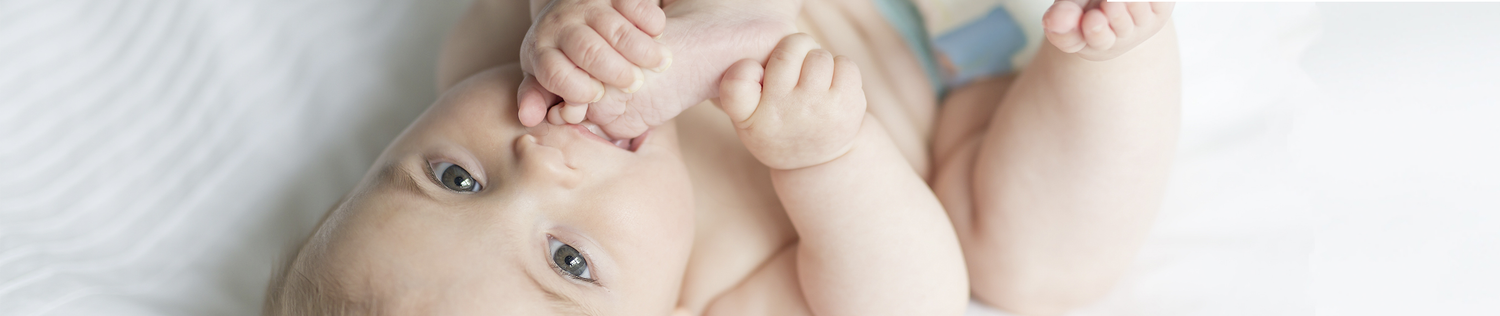




You’re changing your baby, giving them a million little kisses, and suddenly you notice them: tiny red bumps all over those sweet little cheeks.
First thought? What is that? Is it a rash? Is it something I used? Should I be worried?
Tiny red bumps on a baby’s face are incredibly common, especially during the newborn and infant stages. A baby’s skin is still developing and learning how to handle everything from heat and moisture to milk, drool, skincare products, and the environment around them.
The good news is that many of these little bumps are temporary and harmless. But knowing what might be causing them can help you figure out what your baby’s skin needs — and when it’s worth calling your pediatrician.
1. Baby Acne
Yes, babies can get acne too!
Baby acne usually looks like small red or white bumps, especially on the cheeks, forehead, nose, and sometimes the chin. It often develops during the first few weeks of life.
Newborn acne is thought to be related to hormonal influences and typically clears on its own.
What should you do?
Keep things simple. Gently wash your baby’s face with lukewarm water and a mild, baby-safe cleanser when needed.
Avoid scrubbing, exfoliating, popping the bumps, or applying adult acne treatments. Baby skin is much more delicate than ours, and aggressive products can make irritation worse.
2. Heat Rash
If those tiny red bumps seem to appear after a warm day, a nap, being bundled up, or spending time outside, heat rash could be the culprit.
Heat rash happens when sweat becomes trapped in the skin. Babies can be especially prone to it because their sweat ducts are still developing.
You might notice tiny red or pink bumps around the:
- Forehead
- Hairline
- Cheeks
- Neck
- Upper chest
- Skin folds
Keeping your baby cool, dressing them in breathable clothing, and avoiding overheating can help.
3. Drool Rash
If your little one is teething and suddenly seems to be drooling enough to fill a swimming pool, those red bumps around their mouth and cheeks may simply be irritation from all that moisture.
Constant drool sitting on the skin — combined with wiping the face repeatedly — can irritate your baby’s delicate skin barrier.
Instead of rubbing the area, gently pat it dry with a soft cloth. Keeping the area clean and applying a simple baby-safe barrier moisturizer may also help protect irritated skin.
4. Milk Rash or Feeding-Related Irritation
Sometimes the problem isn’t the milk itself — it’s the moisture left behind.
Breast milk, formula, spit-up, and saliva can sit around your baby’s mouth, chin, cheeks, and neck after feeding. When moisture repeatedly stays against the skin, irritation can develop.
Try gently cleaning your baby’s face after feeding and patting the skin dry rather than rubbing.
And don’t forget those adorable neck folds! Milk and moisture love hiding there.
5. Baby Eczema
If the red bumps are accompanied by dryness, rough patches, flaking, or itching, your baby may be experiencing eczema, also called atopic dermatitis.
Baby eczema commonly appears on the cheeks and other areas of the body. Some babies naturally have a more sensitive skin barrier, which makes it harder for their skin to hold onto moisture and protect itself from irritants.
For eczema-prone skin, a very simple routine is usually best:
Use lukewarm rather than hot bath water, choose fragrance-free and gentle skincare products, avoid harsh soaps, and moisturize regularly.
If you suspect eczema, especially if it is persistent or uncomfortable for your baby, talk with your pediatrician.
6. Contact Irritation
Sometimes tiny red bumps are your baby’s skin saying, “I don’t like something touching me.”
Potential irritants can include:
- Fragranced skincare
- Harsh soaps
- Laundry detergents
- Fabric softeners
- Baby wipes
- Certain fabrics
- Essential oils
- Adult skincare products transferred from your skin
If the bumps appeared shortly after introducing a new product, consider stopping that product and watching for improvement.
This is also why simple ingredient lists can be especially helpful for babies with sensitive skin.
7. Milia
Those tiny bumps may not actually be red at all.
Milia are very small white or yellowish bumps that commonly appear around a newborn’s nose, cheeks, and chin. They happen when keratin becomes trapped beneath the surface of the skin.
They usually disappear naturally, so there’s no need to squeeze, scrub, or try to remove them.
Consider them another one of those funny little newborn things no one warns you about.
What NOT to Do When Your Baby Has Facial Bumps
When we see something unusual on our baby’s skin, our first instinct is often to immediately do something.
But sometimes less really is more.
Avoid picking or popping bumps, scrubbing the skin, using adult acne products, applying strong essential oils, or constantly switching between different skincare products.
Introducing multiple products at once can also make it harder to figure out what is irritating your baby’s skin.
Instead, focus on gentle cleansing, moisture, and protecting your baby’s developing skin barrier.
When Should You Call Your Pediatrician?
Most tiny facial bumps are harmless, but a rash should never be diagnosed based on appearance alone.
Contact your pediatrician if the rash is rapidly spreading, blistering, oozing, crusting, swollen, painful, or seems to be making your baby very uncomfortable.
You should also seek medical advice if your baby has a fever, difficulty breathing, swelling of the face or lips, seems unusually sleepy or unwell, or if you simply feel that something isn’t right.
For babies under 3 months old, a rectal temperature of 100.4°F (38°C) or higher requires prompt medical evaluation.
A Simple Routine for Bumpy, Sensitive Baby Skin
If your baby’s bumps appear to be related to everyday irritation rather than an illness, keep their routine beautifully simple.
Clean gently. Use lukewarm water and a mild baby cleanser without harsh ingredients.
Pat, don’t rub. Friction can make already-sensitive skin even more irritated.
Moisturize. A gentle baby moisturizer can help support the skin barrier and prevent excessive dryness.
Keep baby cool. Overheating and sweating can trigger or worsen certain rashes.
Introduce products slowly. This makes it much easier to identify a product if your baby’s skin doesn’t agree with it.
And remember — you don’t have to identify every baby rash yourself. When something looks unusual, persists, spreads, or comes with other symptoms, your pediatrician is always the best person to help you figure out exactly what those little bumps are.


